
Introduction
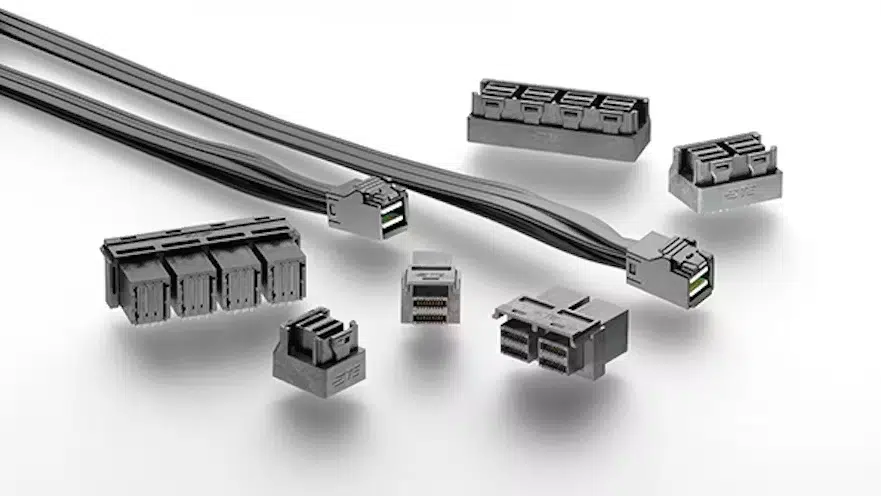
Shielding and signal integrity in high-speed SAS cable assemblies form the basis of interference-free transmission of data. Lack of them causes even the most cutting-edge servers to experience data corruption, bandwidth slowdown, or even complete failures which have happenings and happen in real life situations in the data centers where a single unshielded cable has transformed a simple upgrade into a diagnostic nightmare. Shielding prevents electromagnetic interference (EMI) whereas signal integrity guarantees signal integrity to prevent errors in the signal in a challenging environment such as RAID systems or a cloud storage.
This paper untangles the reasons why these are not negotiable during custom SAS cable assembly design. It will include the fundamentals of signal integrity, shielding mechanics, engineering methodologies, testing procedures, application to the real world, and custom. At the end, you will know how high speed data cable assemblies are dependent on these principles to provide you with reliability whether you are designing a new storage system or finding an OEM solution.
Understanding Signal Integrity in SAS Cable Assemblies
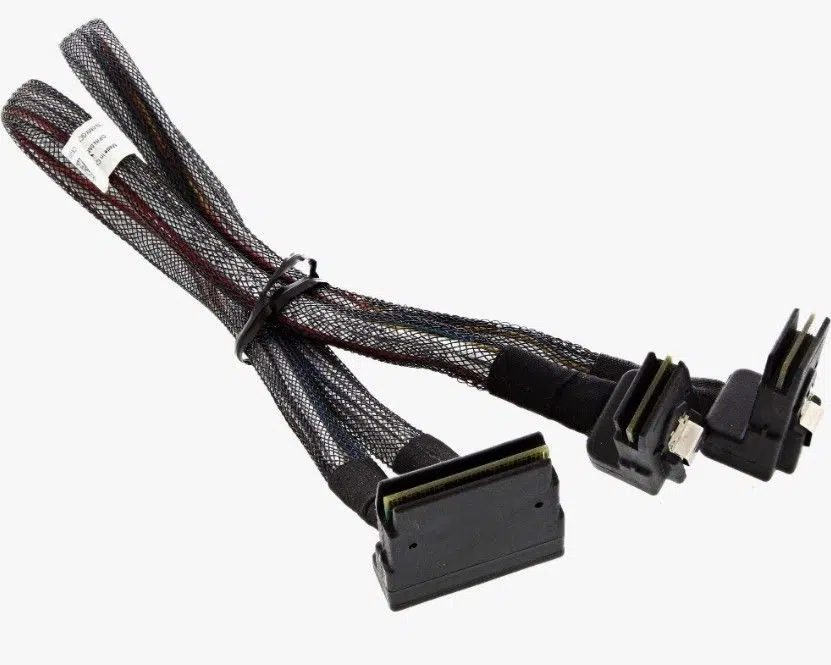
Signal integrity is the quality of electrical signals as it flows through a cable- ensuring that it is clear, timely and undistorted. In SAS (Serial Attached SCSI) systems, where data is transmitted in multi-lane data rates reaching to 22.5 Gbps in SAS-4, such aspects as rise time (speed of signal change), jitter (time variance), and crosstalk (undesirable channel-to-channel interaction) may adversely affect performance. Poor signal integrity SAS cable assembly will results in bit errors that will require retransmissions, which slows down the servers.
SAS cables are based on differential signaling, in which data is transmitted in the form of two voltages, one positive and one negative, to reject noise. It is important to maintain controlled impedance, often 85Ω +/-10%; any difference produces reflections, which reflect back, mixing up the signal. Examples of causes of degradation are inconsistent cable geometry (e.g. uneven spacing of wire) or excess length, or external influences such as changes in temperature. In my practice with industrial configurations, a 5 percent impedance drift could reduce the effective throughput by half, which serves to demonstrate the importance of data transmission reliability. This is addressed by proper design so that signals in signal integrity SAS cables remain healthy in backplanes as well as controllers.
Why Shielding Matters in High-Speed Cable Design
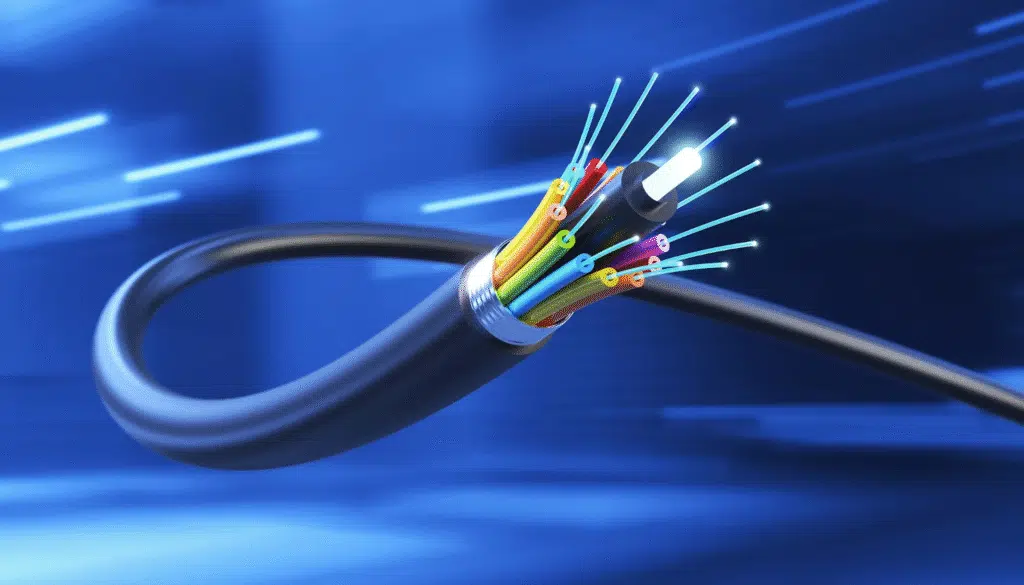
EMI is ubiquitous–power supplies are humming, the local cables are chattering, and RF devices are radionuclinating the high-speed lines. Unaddressed EMI in SAS cables causes corrupted packets particularly within high-density racks where signals are running at gigabits per second. Shielding works like a reflector or absorber of the interference in order to maintain signal purity.
Internal crosstalk Internal noise between pairs of cables within a cable is equally cunning, and the lack of isolation between twisted-pair designs exacerbates this problem. EMI shielding SAS cable systems are essential in data centres, where cables are located in large numbers (hundreds), or factory floors where motors are generating magnetic fields. Without electromagnetic interference immunity, systems experience intermittent failures; I have re-traced bugs of intermittent loss of drives to changing to shielded assemblies. Finally, it is not a choice that cables can be shielded to reduce noise, but that is what keeps high-performance storage running hiccup-free.
Types of Shielding Used in Custom SAS Cable Assemblies
Shielding isn’t one-size-fits-all; custom designs mix types based on frequency, environment, and flexibility needs. Here’s a breakdown:
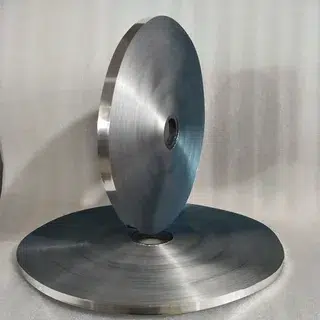
- Foil Shielding (Aluminum Mylar): Foil shielding is a metallic layer that is wrapped around the conductors and is excellent in high frequency EMI (>100 MHz). It is small and inexpensive and suitable for small SAS programs.
- Braided Shielding: Woven copper strands provide low-resistance plows at low frequencies (<100 MHz). Bendable in racks, however heavier.
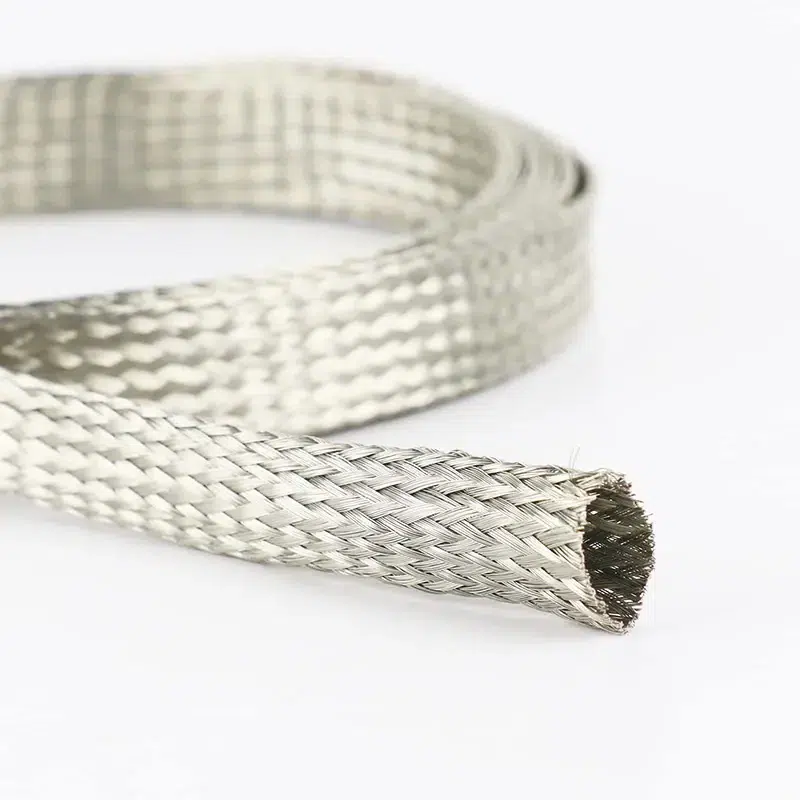
- Combined Shielding (Foil + Braid): The most common type of SAS is the one that combines highs with foil and lows with braid to reach a coverage of 90-95%. Essential for 12 Gbps+.

- Drain Wire or Grounding: This is a bare wire linked to the shield and directs the noise to ground. Prevents reduce accumulation increasing the overall protection.
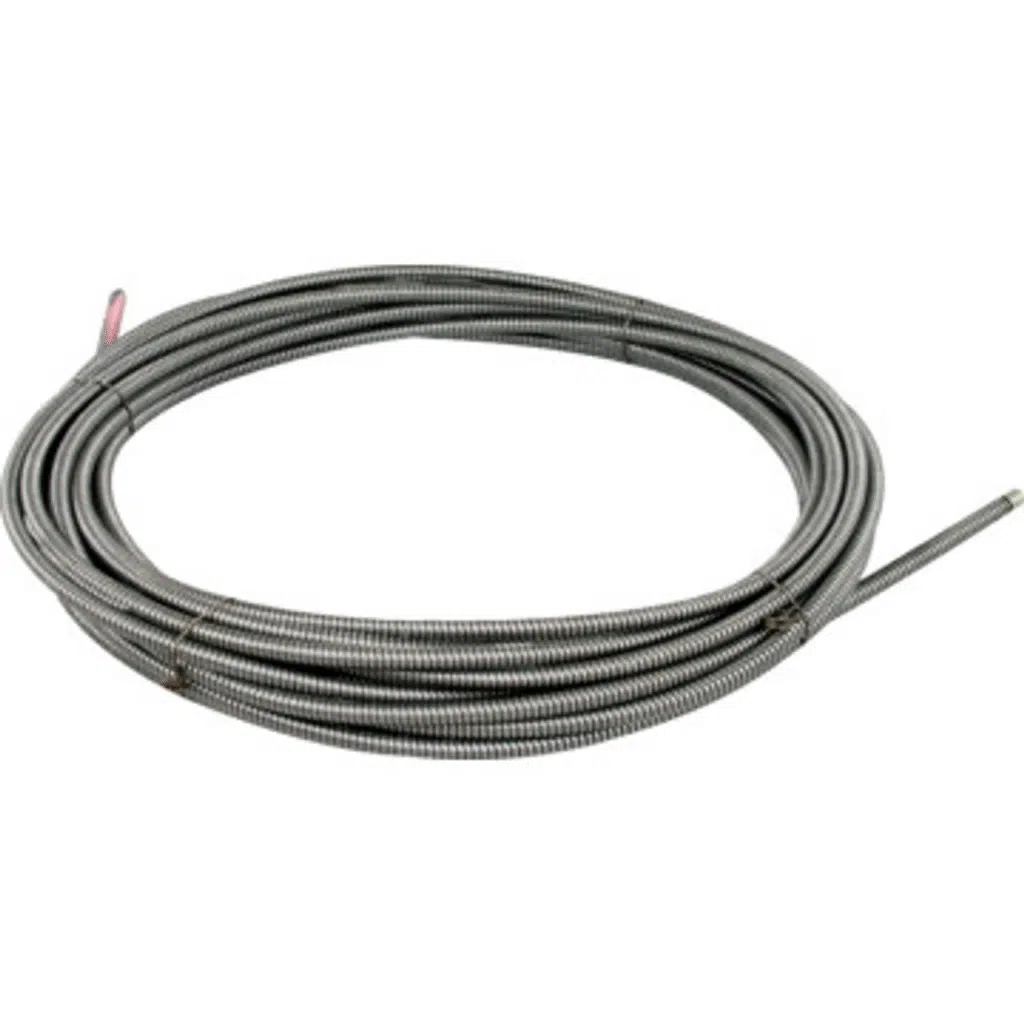
For quick reference, this table compares them:
| Shielding Type | Advantages | Best For | Drawbacks |
| Foil (Aluminum Mylar) | Lightweight, high-frequency block | Compact, internal SAS cables | Less flexible, prone to tears |
| Braided | Flexible, low-frequency protection | Industrial, vibration-prone setups | Bulkier, higher cost |
| Combined (Foil + Braid) | Comprehensive coverage, balanced | High-speed data center SAS | Slightly more expensive |
| Drain Wire/Grounding | Effective noise dissipation | All types, with chassis grounding | Requires proper termination |
In foil shielded cable or braided cable shield applications, combined shielding SAS cable often wins for custom builds, ensuring grounding high speed cable dissipates EMI effectively without compromising bend radius.
Engineering Techniques for Maintaining Signal Integrity
Controlled impedance SAS cable create is the starting point of engineers to lock signal integrity. This is done by carefully twisting differential pairs -usually 10-15 twists/inch- to cancel noise in a symmetric manner. Skew (timing differences between pairs) is avoided by consistent geometry (such as uniform insulation thickness) which may close the eye in high-speed tests.
Matters are also important: attenuation is minimized by low-loss dielectrics (e.g. PTFE) and leaks are blocked by shielding overlaps (100%+ coverage). Connector accuracy- gold plated pins and automated soldering minimizes reflections with the loss of insertion maintained at less than 3 dB/m. In differential pair design, phase shifts are avoided by length matching within 1mm. In the case of signal loss SAS cables, the simulation tools such as HFSS can forecast problems before the prototype, saving time. Scientifically refined in the OEM laboratories, these methods transform the possible points of weakness into trustworthy channels.
Testing Signal Integrity and Shielding Effectiveness
There are no design ships, which do not undergo stringent verification- manufacturers such as us at Kingda have batteries of tests to confirm each batch.
- Time Domain Reflectometry (TDR): Pulses are sent to differentiate impedance discontinuities, which are immediately identified as a mismatch.
- Eye Diagram Testing: Plots waveforms to an oscilloscope; a large eye indicates small jitter and lots of margin on SAS-3/SAS-4.
- Crosstalk and Insertion Loss Tests: Vector network analyzers are used to test both near-end (NEXT) and far-end (FEXT) crosstalk, as well as testing loss versus frequency.
- EMI/EMC Compliance Testing: Chambers EMI/EMC compliance testing is performed to verify shielding >60 dB of interference.
The consistency is achieved by following such standards as SAS-3 (12 Gbps), IPC/WHMA-A-620 assembly, and UL safety. In signal integrity testing SAS cable protocols, 100% inspection is used to detect defects early. The transparency of EMI testing cable and SAS cable QC process through report constitutes a trust, which proves cables to real world requirements.
Real-World Impact — Shielding and Signal Integrity in Action
As a matter of fact, these aspects shine best in times of stress. Consider data centers: Dense routing increases crosstalk, therefore EMI shielding SAS cables with combined layers eliminates errors in 48-drive arrays. The retrofit of one client took place when packet loss was cut by 80 percent through the conversion to controlled impedance architecture.
The motors and RF equipment in industrial environments require braided shields because their operation requires flexibility and also to absorb noise- I have witnessed double shielded SAS to endure vibrations that killed the unshielded counterparts. Signal integrity in high performance SAS cables in storage servers makes 12 Gbps+ throughput with no retransmit to pre-uptake AI workloads. Designed in this manner, industrial cable assembly design extends the life of the cable assembly, and shielding is no myth, it is the initial line of defense.
Custom Design Considerations for OEM SAS Cables
Specs to solutions Custom SAS cable manufacturers expertise. Shielding optimization (e.g. additional braid in EMI-sensitive locations) is performed through CAD simulations. SAS OEM cable design involves prototype cycles, which makes sure that impedance is within targets.
Benefits? Reduced time-to-market, such as cable assembly testing standards such as full EMC scans. Since Kingda is a China-based manufacturer of SAS cables, it incorporates them, starting with R&D, through QA, in providing documented assemblies. This to the clients translates into cables that are compatible in peculiar racks and still do not compromise signals.
Conclusion — Shielding + Signal Integrity = Reliable Performance
High-speed SAS cable assemblies are based on the use of precision shielding and signal integrity design to ensure the reliability of the data and would reduce interference. Since third, EMI barriers to impedance mastery: These components protect your systems.
Need superior custom SAS cables that are shielded and tested with signal integrity? Contact Dongguan Kingda Electronic technology Co.,Ltd to do OEM/ODM solutions based on your system requirements. Since 2012, we have been practicing our philosophy of quality first, and we will provide professional-quality high-speed transmission cables.