Introduction
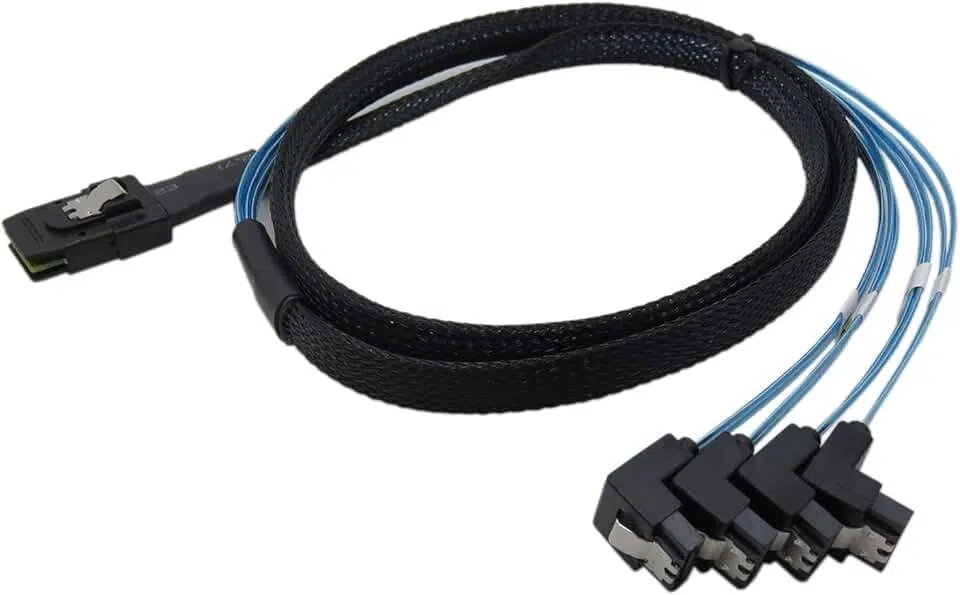
A mini sas SFF-8087 cable assembly will be reliable based on the quality of designing, the quality of manufacturing and testing throughout the lifecycle of the product. Being an engineer who has more than ten years of experience in cable production, I have realized that failures such as lost signals every now and then, or early wear-out of the cable can be caused by omission of any single step of the manufacturing process, such as initial simulation in design, to the ultimate verification in the field, which can cost data centers thousands of dollars in downtime. Complete lifecycle management and testing are not checkboxes but rather the basis of having these cables always provide 24 Gbps consistency within the enterprise settings where a data error can be propagated to other parts of the system.
It looks into the life cycle of SFF-8087 assemblies as a whole, beginning with the big picture significance of testing and analyzing each step, beginning with prototyping, down to the maintenance procedure. We shall discuss manufacturing process, elaborate testing procedures, performance indicators and examples of actual applications that underscore the importance of strict quality control in testing Mini SAS SFF-8087 and SAS cable lifecycle management.
Understanding the Lifecycle of a Mini SAS SFF-8087 Cable Assembly
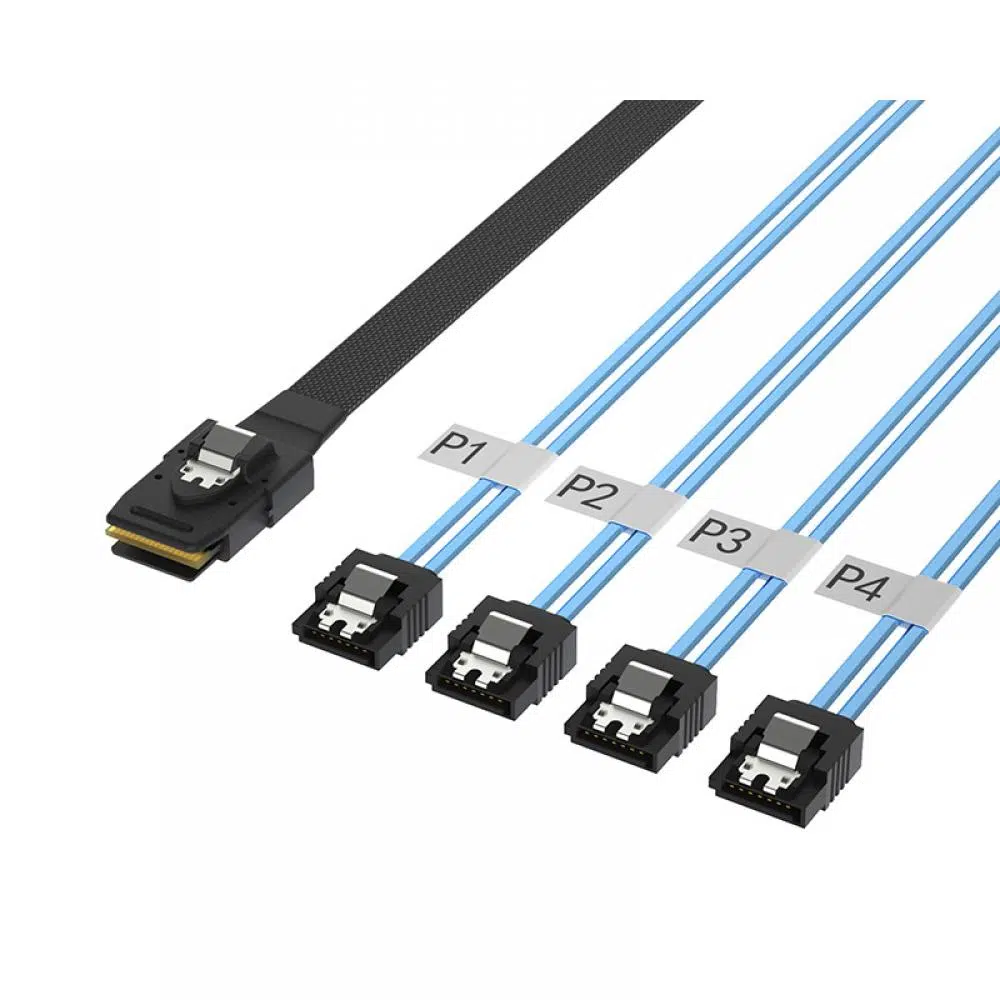
Cable lifecycle management refers to the management of all the phases to ensure the best performance and maximum life of the concept till finally the end of life. In the case of SFF-8087 assemblies (36-pin connectors based on SAS-2) it is aimed at ensuring signal integrity under stress, be it heat, vibration, or EMI in server racks.
These notable lifecycle phases are:
- Design and Prototyping: Specification of design such as impedance and shielding.
- Selection and Procurement of materials: Long life selection.
- Assembly Producing: Assembling like clockwork.
- Testing and validation: Checking to standards.
- Packaging & Dellivery: Bearing safe passage.
- In-field Performance and Maintenance: Observing actual usage.
Such a designed practice in SFF-8087 cable lifecycle is to provide SAS assembly steps in line with the enterprise requirements where one break can end business operations. Within my own experience, cables that do not undergo sturdy prototyping fail prematurely, which serves to emphasise the importance of SAS reliability process beginning with this.
Stage 1 — Design and Prototyping
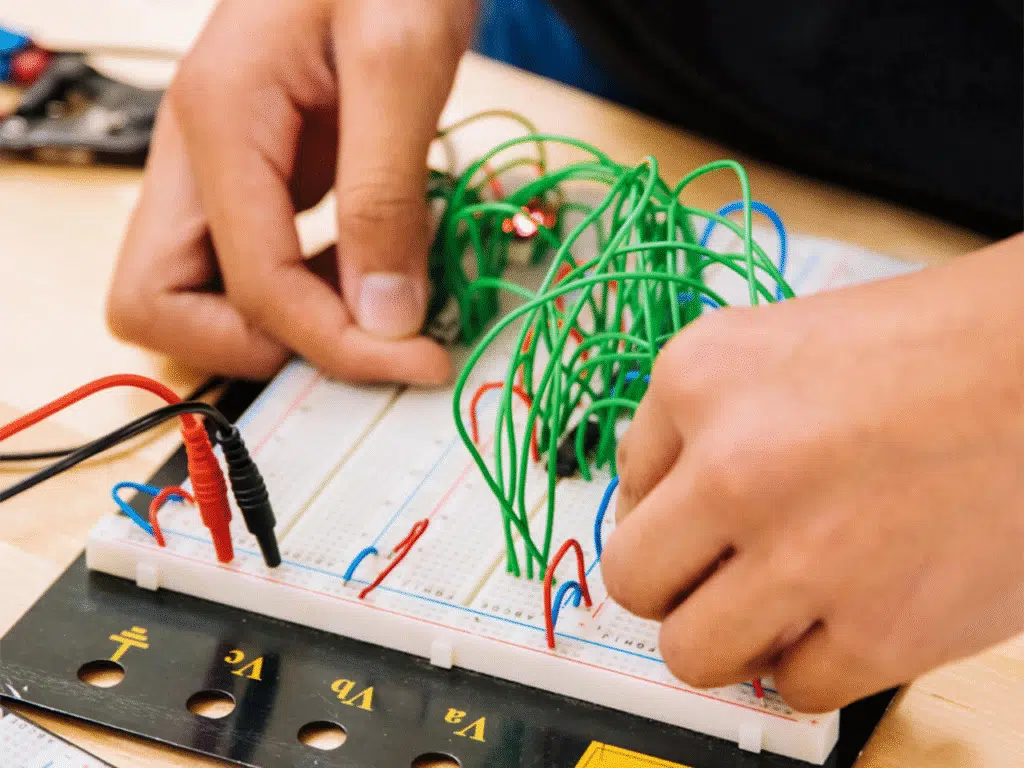
The design stage prelays the success of a cable where we establish the electrical and mechanical requirements to fit SAS-2. In case of the SFF-8087 this translates to a differential line impedance of 85 ohms ( +10%) to improve the reflections, and crosstalk is also reduced by a tight pair spacing and shielding topology (foil + braid to cover 90 percent).
CAD modeling is used to simulate connector orientation, straight when using a standard backplane, right-angle when using tight chassis, and the electrical simulation models such as SPICE or HFSS when simulating signal behavior. Prototypes are tested at the first bench, and problems such as the bend radius tolerance are tried.
In one of the projects of a server OEM, simulation early revealed an existing shielding gap that would otherwise lead to EMI leakage- restore it before production saved the cost of rework. This SFF-8087 design phase, having SAS prototype validation, makes cables interfit, minimizing field failures.
Stage 2 — Material Selection and Manufacturing Quality
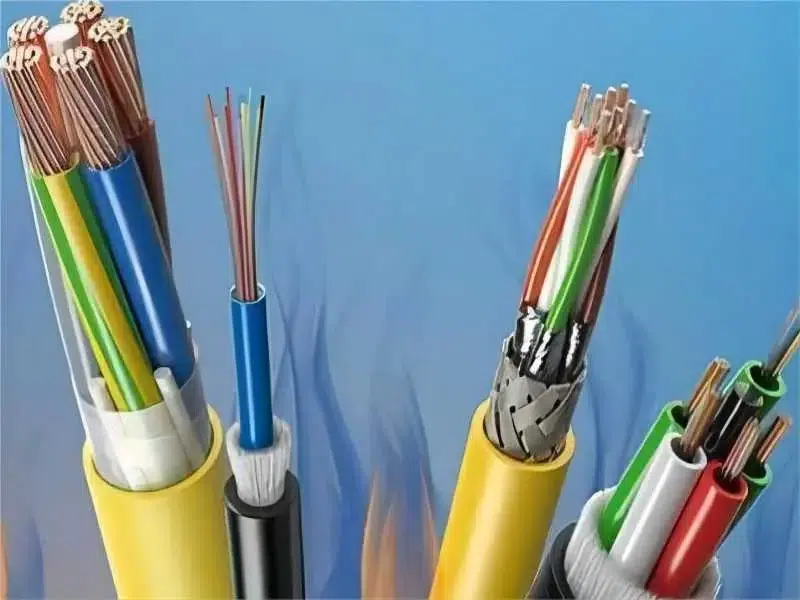
The endurance of a cable is determined by the raw materials, and thus, the choice is very strict. In the case of SFF-8087, we will use 28-30 AWG tinned copper conductors to compromise flexibility and low resistance, and combine with Teflon or PVC insulation due to dielectric strength and resistance to high temperatures (up to 80 o C operating level).
The data center is safe in outer jackets that are flame-retardant (UL94V-0 rated), whereas connectors are corrosion-resistant using gold-plated pins. The suppliers are also certified such as UL, RoHS and REACH in order to shun contaminants which degenerate with the course of time.
Making bad decisions in this area causes such problems as the cracking of insulation, I have witnessed the failure of generic materials in wet conditions. SAS cable endures more because of the high-speed cable components, which guarantee the enterprise rigor of the cable contents of SFF-8087 cable.
Stage 3 — Cable Assembly and Production Process
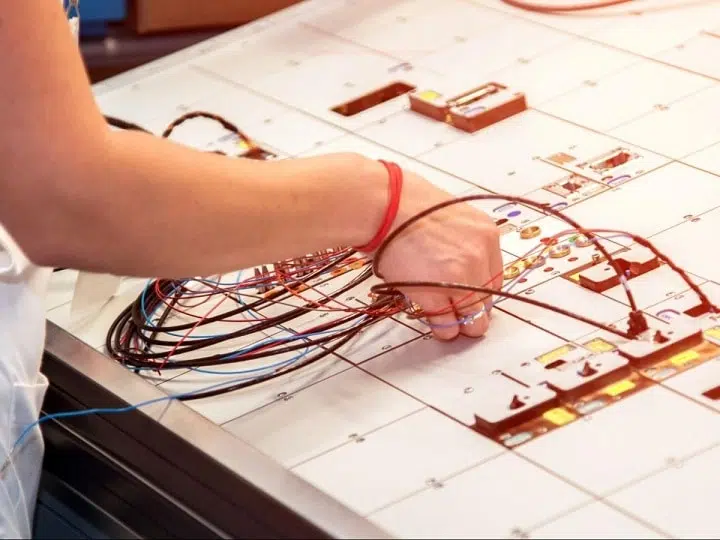
Designs are converted into reality by assembly, and accuracy is controlled to ensure consistency:
- Cutting and Stripping: Automation of tools involves uniform lengths, avoiding skew.
- Pair Twisting Differential pairs are twisted to receive identical pitches so that the impedance is consistent.
- Shield Wrapping: Foil + braid with 100 percent overlap to block EMI.
- Connector Crimping/ Soldering The pins are attached by a robotic crimper, then overmolded to provide strain relief.
- Automated Continuity Checks: Checks are made early in line.
Optical soldering with a temperature check control prevents cold solderings. SAS manufacturing workflow In our Kingda lines we have SAS AOI visual defects used that guarantee a batch meets specifications. This is the SAS cable assembly step and quality is a scaling process where manual errors in small quantity can skyrocket but automation holds SAS production process in check.
Stage 4 — Comprehensive Testing and Validation Protocols
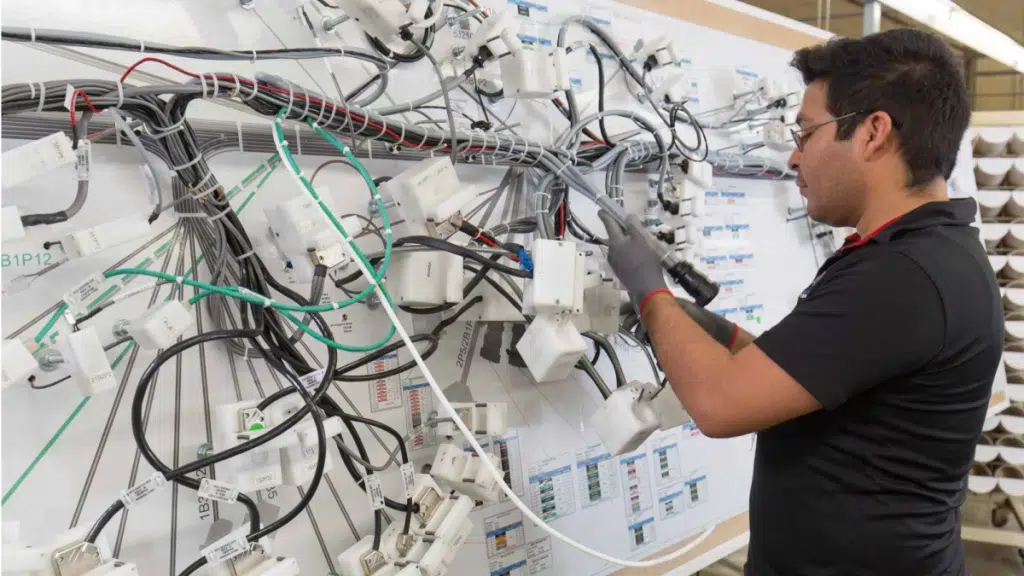
Testing is the lifecycle’s gatekeeper, where we simulate real-world abuse to validate performance. For SFF-8087, protocols cover electrical, mechanical, environmental, and EMI aspects.
- Electrical Testing:
- Continuity Test: Checks all pins (36) on the probe to check whether they are open/shorted.
- Time Domain Reflectometry (TDR): Maps discontinuities in impedance, verifying stability of 85 0 stability.
- Eye Diagram Analysis: Evaluates jitter and noise at 6 Gbps – clean signals are shown by 6 Gbps wide eyes.
- Insertion/Return Loss: Used to measure attenuation (Less than 6 dB) and reflections (Greater than 20 dB) using network analyzers.
- Crosstalk Test: Tests NEXT/FEXT -30 dB between pairs.
- Environmental Testing:
- High-Temperature Aging: 85C at 1, 000 hours to simulate heat of servers.
- Humidity and Corrosion Resistance: Salt spray checks 85% RH at 40 o C.
- Thermal Cycling: -40C to 85C variation simulating data center variability.
- EMI/EMC Testing:
- Shielding Efficacy chamber noise against 1-10 GHz, FCC Class B.
These SFF-8087 cable test techniques, which are based on SAS cable validation guidelines, identify 99 percent of faults. Signal integrity test value was proved when eye diagram tweaks were used in a telecom project to cut the jitter by 25%.
Stage 5 — Quality Control and Traceability
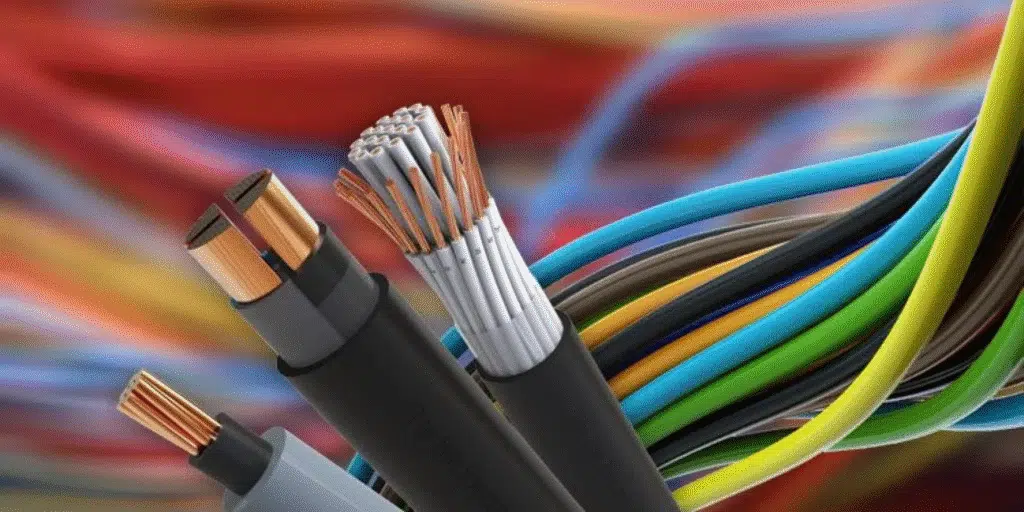
QA systems provide repeatability: Serial number documenting all steps of material to test, serial number tracking, material batch to test, and visual inspection of jacket defects are all included in ISO 9001. 100% inspection with AOI pin verification and visual jacket verification.
The documentation offers traceability- clients receive audit reports. This SFF-8087 inspection procedure reduces the number of recalls; in our case field returns are reduced to less than 0.5.
Stage 6 — In-Field Performance and Maintenance
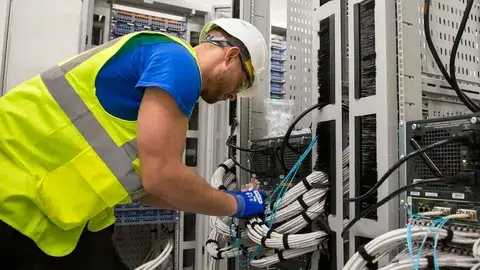
Lifecycle continues to deployment: Vibation wear monitoring through periodic continuity tests, e.g., in high-vibe systems. Suggested SAS cable maintenance suggests that visual inspection is done after every 6 months and should be replaced after 35 years depending on the usage.
Integrity is ascertained with loopback adapters by post-install validation. This can eliminate surprises in data centers, I have observed proactive swaps stop outages when loads are large.
Why Lifecycle Testing Is Critical for Enterprise Applications
Testing has an effect on uptime: It guarantees integrity of data during the rebuilding of RAID as errors propagate. Warranty cuts ensue- stringent measures trimmed down failures by half. Global markets cannot compromise regulatory compliance (UL, CE).
Example: A logistic company that was experiencing losses in links between their cables when using them; after replacing them with our OEM-tested SFF-8087 assemblies, the error margin was reduced by 40 percent, leading to increased efficiency. This highlights SFF-8087 enterprise testing value in SAS data integrity measures and cable reliability measures.
The Role of OEM Manufacturers in Quality Assurance
OEMs such as Dongguan Kingda Electronic Technology Co., Ltd are good at the full lifecycle management. In-house R&D and electrical testing laboratory is used to simulate the real conditions, and the use of automated lines is used to guarantee precision. We provide 100% TDR +, continuity checking, SAS, SATA, and PCIe.
Our quality first philosophy as a custom SAS cable manufacturer produces filters, such as MCIO PCIe Gen5, USB4, and other finely-tuned solutions, with a certified ISO 9001-compliant process.
Conclusion — Consistent Testing Ensures Long-Term Reliability
The mini SAS SFF-8087 cable assemblies are engineered using not only materials and design, but also intense lifecycle testing and process discipline.
Need fully tested and certified Minisay-SFF-8087 assemblies? Get in touch with Dongguan Kingda Electronic Technology Co., Ltd to get to OEM solutions that are developed with accuracy and reliability.