Uncategorized

Uncategorized

Types of Video Cables: Identify the Right Connector at a Glance

The guide “Types of Video Cables: Identify the Right Connector at a Glance” explains the most common video cable types and their uses, helping readers quickly recognize the right connector for their devices. It covers older analog options like VGA and Composite, which are largely phased out, as well as digital standards such as DVI, HDMI, and DisplayPort. The article highlights HDMI as the universal choice for TVs, gaming consoles, and home theaters, while DisplayPort is preferred for high-resolution monitors and professional setups. It also mentions specialized cables like Mini HDMI, Micro HDMI, and USB-C with video output for modern laptops and smartphones. By understanding each cable’s shape, compatibility, and performance, users can easily identify the right video connector for applications ranging from basic displays to advanced 4K and 8K systems.
Uncategorized

iPad With USB-C: Complete Guide to Features and Compatibility

The article “iPad With USB-C: Complete Guide to Features and Compatibility” highlights Apple’s shift from Lightning to USB-C on iPads and what it means for users. It explains how USB-C provides faster charging, higher power delivery, and much quicker data transfer speeds, making it especially useful for professionals handling photos, videos, and large files. Beyond charging and syncing, USB-C also supports external accessories like displays, hubs, storage devices, and even audio interfaces, turning the iPad into a more versatile productivity tool. The guide compares compatibility across different iPad models, clarifies what features depend on cable and charger quality, and emphasizes how USB-C aligns iPads with the broader tech ecosystem where USB-C is becoming the universal standard. In short, the move to USB-C future-proofs the iPad, offering users more flexibility, speed, and functionality than ever before.

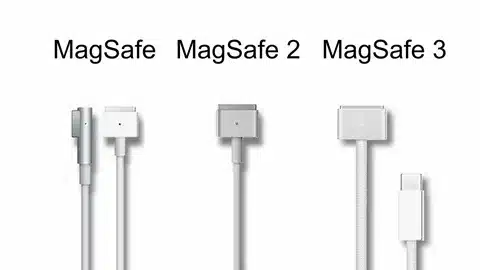
“Lineup of Apple MagSafe 1, MagSafe 2, and MagSafe 3 connectors showing design evolution”
Uncategorized

MagSafe 2 to MagSafe 3: The Ultimate MacBook Charging Evolution

The article “MagSafe 2 to MagSafe 3: The Ultimate MacBook Charging Evolution” explores how Apple’s charging technology has advanced from MagSafe 2 to MagSafe 3. MagSafe 2, with its slim, magnetic T-shaped connector, offered safety by detaching easily when tugged, but was limited in power delivery. MagSafe 3, introduced with newer MacBook models, keeps the magnetic convenience while adopting a thinner, more modern design that supports higher wattage, faster charging, and USB-C power adapters. It improves efficiency, durability, and compatibility with Apple’s latest hardware, making it the standard for current MacBooks. The transition reflects Apple’s move toward faster, safer, and more versatile charging solutions, ensuring users get both convenience and future-proof performance.

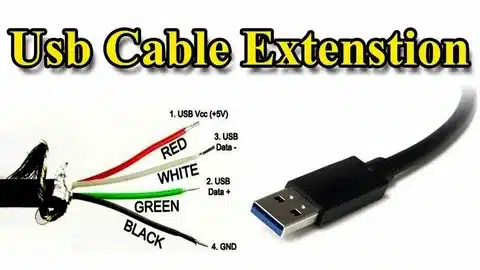
“USB cable extension with wire colors labeled for Vcc, Data+, Data-, and Ground”
Uncategorized

Wire Color Code For USB Cable: Complete Guide

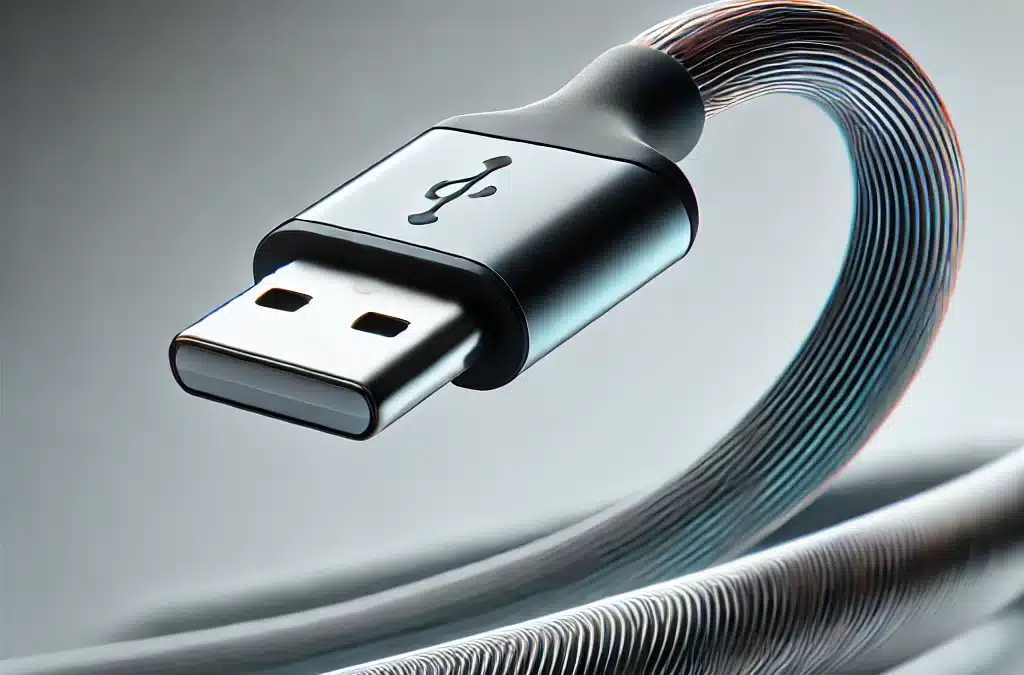
The guide “Wire Color Code for USB Cable: Complete Guide” explains how USB cables work, the meaning of their internal wire colors, and how to choose the right cable for different needs. It begins with the basics of USB technology, highlighting its dual role in power delivery and data transfer, and describes the universal red (power), black (ground), green (data+), and white (data−) color coding system. As USB evolved from 1.0 to USB4, speed, power, and connector types like USB-A, USB-B, Micro, Mini, USB-C, and Apple Lightning have improved, while maintaining backward compatibility. The guide emphasizes that not all USB-C cables are equal—some only charge while others support fast charging, data transfer, or video output. It also covers important buying considerations such as use case, connector compatibility, speed requirements, length, build quality, and certifications, while encouraging environmentally responsible disposal and recycling. Ultimately, understanding wire color codes and connector types empowers users to troubleshoot, choose safe, high-quality cables, and smoothly transition into the future of universal USB-C connectivity.

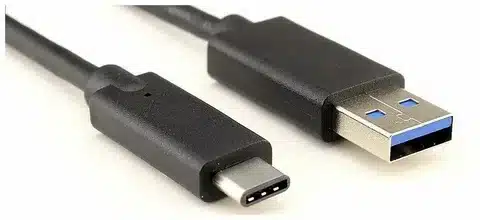
“Close-up of USB-C to USB-A cable supporting USB 3.1 data transfer and charging”
Uncategorized

USB-C Type 3.1: The Ultimate Guide to Modern Connectivity Standards

The article “USB-C Type 3.1: The Ultimate Guide to Modern Connectivity Standards” explores how USB 3.1 paired with the USB-C connector has redefined modern connectivity. It explains that USB-C 3.1 delivers faster data transfer speeds up to 10 Gbps, greater power delivery up to 100W, and a reversible, compact design that simplifies device connections. The guide highlights its ability to support not only charging and data but also video output, making it versatile enough for smartphones, tablets, laptops, and monitors. It also emphasizes backward compatibility, ensuring older devices still work, while preparing users for future advancements like USB 3.2 and USB4. Overall, the article shows how USB-C 3.1 has become the universal standard for faster, safer, and more efficient connectivity across today’s devices.

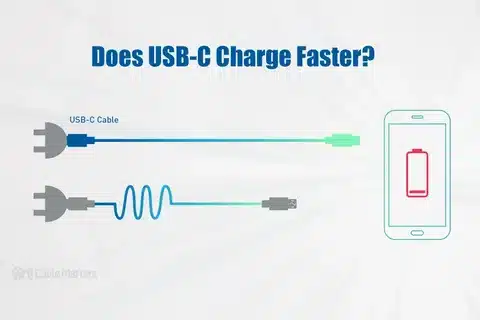
Does USB-C charge faster infographic showing charging speed comparison.
Uncategorized

Does USB-C Charge Faster? The Complete Power Delivery Guide

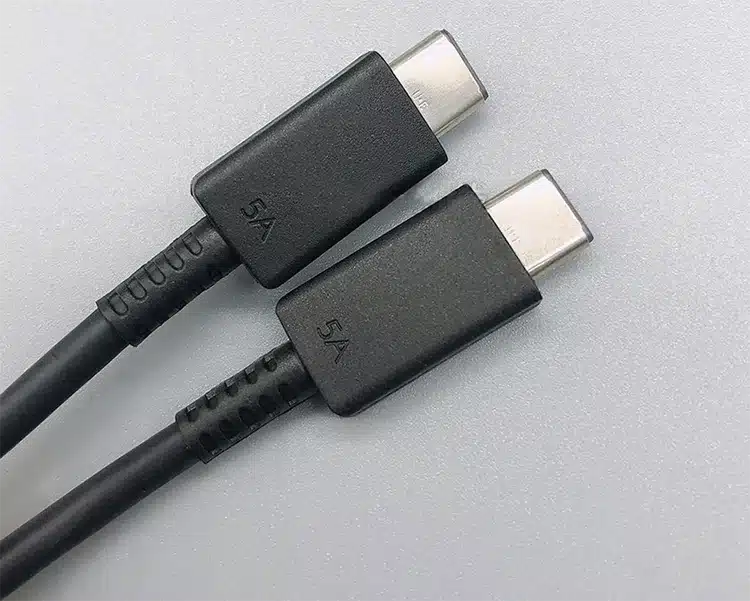
The article “Does USB-C Charge Faster? The Complete Power Delivery Guide” explains how USB-C has transformed device charging with its advanced Power Delivery (PD) technology. Unlike older USB types, USB-C supports much higher wattages—up to 100W or more—allowing smartphones, tablets, and laptops to charge significantly faster and more efficiently. The guide details how charging speed depends on both the device and the cable’s specifications, with certified USB-C PD cables ensuring safe, optimized power transfer. It also highlights the flexibility of USB-C, which can handle not just charging but also data and video transmission through the same port. Overall, the article shows that USB-C enables faster, safer, and more versatile charging, making it the new standard for modern electronics.

Scroll to Top

GET A QUOTE