
Author name: Wang Palle

As the third employee of Dongguan Kingda Electronic Technology Co.,Ltd, Palle Wang has grown together with the company since its early days. She currently serves as Blog Editor, where she oversees the creation and publication of technical content related to high-speed transmission cables, including MCIO PCIe Gen5, SAS, OCuLink, QSFP/SFP, and USB4 solutions. With a strong background in technical writing and digital content management, she ensures that Kingda’s blog not only reflects the company’s engineering expertise but also provides valuable insights to global customers, engineers, and partners. Her work contributes to Kingda’s mission of building trust, authority, and transparency in the high-speed cable industry.

Wang Palle
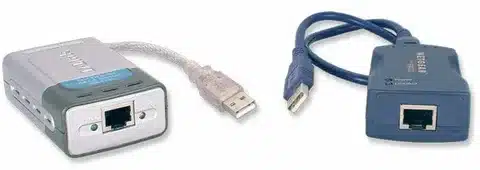
Two types of USB to LAN converters with Ethernet ports for connecting devices to wired networks
Uncategorized

How To Use USB To Ethernet Adapter: Ultimate Setup Guide for Faster & More Stable Internet

A USB to Ethernet adapter is a simple tool that lets you connect devices without built-in Ethernet ports—like many modern laptops and tablets—to a wired internet connection for faster, more stable network performance. Setup is straightforward: plug the adapter into a USB or USB-C port, connect it to your router or modem with an Ethernet cable, and most operating systems will automatically recognize it without extra drivers. This solution is especially useful for online gaming, video streaming, or large file transfers where Wi-Fi may be inconsistent. In short, a USB to Ethernet adapter offers a quick, reliable way to boost connectivity and minimize lag or dropouts.
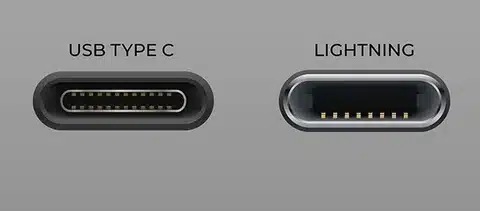
USB Type-C port compared with Apple Lightning port
Uncategorized

What Is a Lightning Port Cable? Your Complete Guide to Apple’s Essential Connector

A Lightning port cable is Apple’s proprietary connector introduced in 2012 to replace the older 30-pin dock system, designed to provide a compact, reversible, and multifunctional interface for iPhones, iPads, and some accessories. It supports charging, data transfer, and audio output through a single cable, with Apple’s authentication chip ensuring compatibility and safety. Unlike USB-C, which is an industry standard, Lightning remains exclusive to Apple devices, giving the company control over accessory quality through its MFi (Made for iPhone) program. While it offers ease of use and durability, its slower data transfer speeds and limited universality compared to USB-C have sparked debate, especially as Apple gradually transitions newer products toward the USB-C standard.

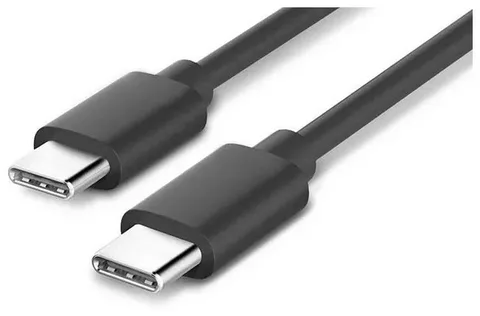
Black USB Type-C to USB-C cable for power delivery and syncing
Uncategorized

USB Type C Release Date: The Complete Timeline That Changed Everything

USB Type-C was officially released in 2014 as a revolutionary connector that combined power, data, and video into a single, compact, and reversible design. Developed by the USB Implementers Forum (USB-IF), it quickly gained adoption because it supported faster USB 3.1 speeds, higher power delivery up to 100W, and alternate modes like DisplayPort and Thunderbolt. Over the years, Type-C became the universal standard across laptops, smartphones, and tablets, gradually replacing older USB-A, micro-USB, and even Apple’s Lightning in some devices. Its timeline marks a major shift in connectivity—turning what started as a new port in 2014 into the global default connector by the mid-2020s, shaping how modern devices charge, transfer data, and connect to displays.

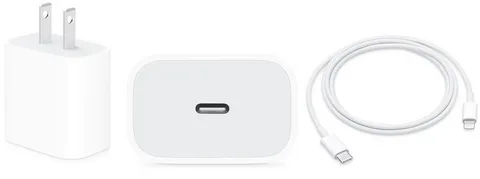
Apple USB-C power adapter shown with charging cable and block
Uncategorized

Can You Use Any USB-C Charger for Iphone 15? Complete Charging Guide

The article “Can You Use Any USB-C Charger for iPhone 15? Complete Charging Guide” explains whether all USB-C chargers are safe and effective for the iPhone 15. It highlights that while the iPhone 15 now supports USB-C, not every charger delivers the same speed or performance. Apple recommends using certified USB-C chargers with Power Delivery (PD) to ensure fast charging and device safety. Cheaper or uncertified chargers may still work but could result in slower charging, overheating, or long-term battery damage. The guide also covers wattage requirements, cable quality, and compatibility with third-party accessories, helping users choose the best charger for reliable and efficient charging.

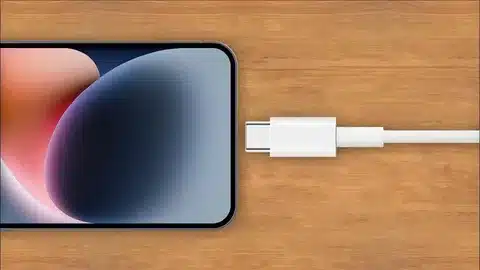
iPhone 15 connected to USB-C cable while charging on desk
Uncategorized

Does iPhone 15 Have USB-C? Complete Guide to Apple’s New Connector

The article “Does iPhone 15 Have USB-C? Complete Guide to Apple’s New Connector” explains Apple’s transition from the Lightning port to USB-C on the iPhone 15 lineup. It confirms that all iPhone 15 models now feature a USB-C connector, making charging and data transfer more universal and compatible with a wide range of devices. The guide details the benefits of this change, such as faster data transfer speeds on the Pro models, improved charging convenience, and reduced need for multiple cables. It also discusses differences between standard USB-C and higher-speed Thunderbolt support, along with what users should know about cables, chargers, and accessories for the new connector.

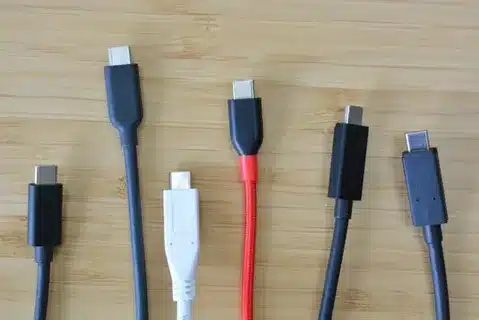
Multiple USB-C cables lined up for quality and compatibility testing
Uncategorized

USB-C Cable Test: Expert Guide to Finding Safe, Fast Charging Cables

Testing a USB-C cable is essential to ensure it’s both safe and capable of fast charging and data transfer. A proper USB-C cable test checks for build quality, supported power delivery (wattage), and data speed ratings, since not all cables are created equal—some may only handle basic charging or slow USB 2.0 speeds. Experts recommend using certified cables that meet USB-IF standards and performing tests with tools or adapters that measure voltage, current, and transfer rates. Cheap or poorly made cables can overheat, damage devices, or fail to deliver promised performance. In short, cable testing helps you identify reliable, high-quality USB-C cables that protect your devices while giving you the fastest charging and transfer experience possible.

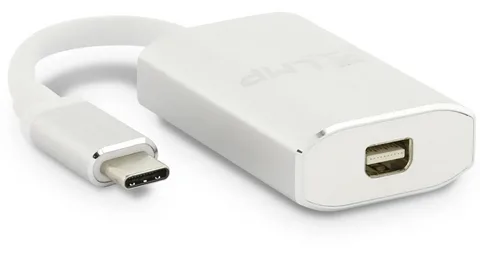
White USB-C to Mini HDMI adapter for display output
Uncategorized

Can USB-C Be Used for Display? Complete Guide to DisplayPort Alt Mode

USB-C can be used for display through a feature called DisplayPort Alternate Mode (Alt Mode), which allows the same reversible USB-C connector to transmit video and audio signals alongside data and power. With the right cable or adapter, a USB-C port can connect directly to monitors, TVs, or projectors, supporting resolutions up to 8K depending on the device’s specifications. However, not every USB-C port supports DisplayPort Alt Mode, as it depends on the device’s hardware and manufacturer implementation. In essence, USB-C with Alt Mode turns one compact port into a versatile hub for charging, data transfer, and high-quality video output, making it a key standard for modern laptops, tablets, and smartphones.

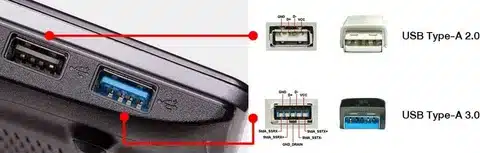
USB Type A 2.0 vs 3.0 port differences with labels
Uncategorized

What Type of USB Port Do I Have? A Complete Identification Guide

Identifying what type of USB port you have is key to knowing your device’s charging, data transfer, and connectivity capabilities. Common types include USB-A, the classic rectangular port; USB-B, often found on printers and older peripherals; micro-USB and mini-USB, used in many older phones and gadgets; and the newer USB-C, a smaller, reversible connector that supports faster speeds, higher power delivery, and multiple functions like video output. Beyond the shape, you also need to check the USB version (such as USB 2.0, 3.0, 3.1, or 3.2), since that determines data rates and power limits. In short, recognizing both the connector shape and the supported protocol helps you choose the right cables and accessories for your device.

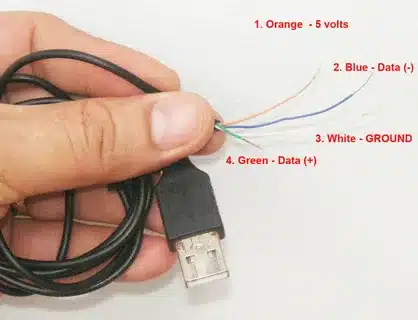
USB cable stripped showing orange, blue, white, and green wires with labels
Uncategorized

How Many Wires in a USB Cable: The Ultimate Complete Wiring Guide

A USB cable typically contains four main wires—two for power (positive and ground) and two for data (D+ and D–)—but the exact number can vary depending on the cable’s purpose and version. Basic charging cables may only include the power pair, while more advanced USB 3.x or USB-C cables can have additional wires and shielded pairs to support higher data speeds, power delivery up to 100W, and functions like video output. The wiring also includes shielding to reduce interference and maintain stable connections. In short, the number of wires in a USB cable depends on whether it’s built just for charging or for full power, data, and multimedia transmission.

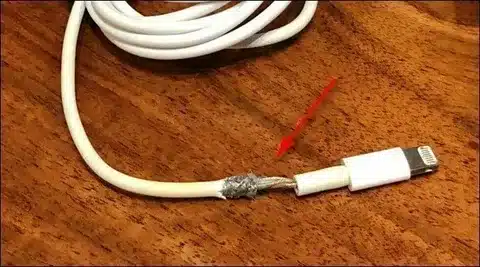
broken iPhone lightning cable showing visible damage near connector
Uncategorized

iPhone Charger Wire Not Working: 8 Quick Fixes That Actually Work

When an iPhone charger wire stops working, it’s usually due to cable damage, dirt in the port, or software glitches, but there are several quick fixes that often solve the problem. Start by inspecting the cable and adapter for wear or fraying, then clean the Lightning or USB-C port to remove dust and debris. Try using a different outlet, adapter, or certified Apple/MFi cable to rule out faulty accessories. Restarting or updating the iPhone can also fix charging recognition issues. If charging still fails, resetting settings or testing with another device may help identify the cause. In short, most charging problems can be fixed with simple checks and swaps before considering a full cable replacement.

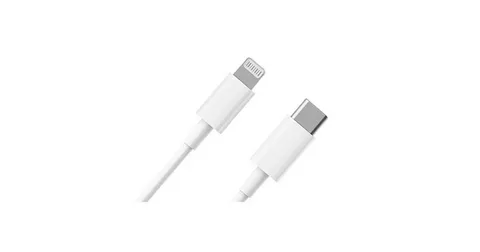
plain white USB-C to Lightning cable connectors isolated on white background
Uncategorized

What Is a USB-C To Lightning Cable: Benefits, Compatibility & Buying Tips

A USB-C to Lightning cable is Apple’s fast-charging and data transfer solution that connects iPhones, iPads, and other Lightning-enabled devices to modern USB-C chargers and computers. Compared to older USB-A to Lightning cables, it supports faster charging speeds with USB Power Delivery (PD) and quicker data transfer when paired with compatible devices. It’s widely used with Apple’s 20W and higher USB-C power adapters, enabling up to 50% charge in about 30 minutes for newer iPhones. However, since Lightning is being phased out in favor of USB-C, buyers should look for MFi-certified cables to ensure safety, compatibility, and durability. In short, this cable offers speed, convenience, and future-ready charging until Apple fully transitions to USB-C across all devices.

Close up of USB cable connection joined and insulated using heat shrink tubing
Uncategorized

How to Connect Two USB-C Cables: Your Complete Guide

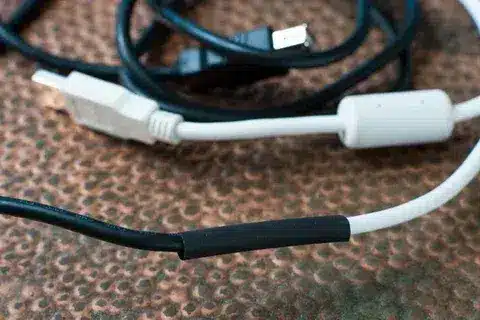
The process of connecting two USB cables with the help of USB couplers or extension cables is extremely simple; it is safe and reliable to increase the distance without any impact on performance. Splicing may be performed by hand, but commercial adapters are the best and will give the best results with the least risk to the user, so the vast majority who want to make use of longer USB cables would use a commercial adapter.

Scroll to Top

GET A QUOTE