
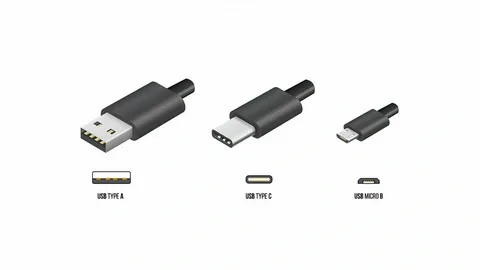
Find out how to instantly identify usb connectors such as usb type c ports; they are oval, reversible, and synonymous multifunction ports, and get to know why they are the future of charging and connectivity.
Introduction: The End of USB Frustration
Can you imagine this? You are speeding up and you need to charge your mobile phones or larger devices ; your fingers cannot find the cable and you struggle in the dark. First attempt – the wrong first time. Turn it over- that is wrong yet somehow too. The third time is a charm, or so they say. This has probably been a familiar pain of older USB ports.
USB-C – the modern devices usb connectors that can change the view on charging and data transfer. This is not another addition to technology but the redesign of what a port might be universal serial bus.
This all-encompassing guide will teach you how to quickly spot USB-C ports, and know the many benefits of the versatile connectors including usb power delivery, and why the new standard is fast becoming the universal port on every device. USB-C is fast becoming the standard connection method regardless of the manufacturer, so it is important to be able to identify USB-C as well as how to make use of it electronic devices.
What Makes USB-C Different from Other Ports?
The Shape That Changed Everything
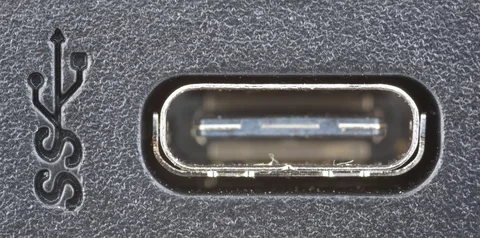
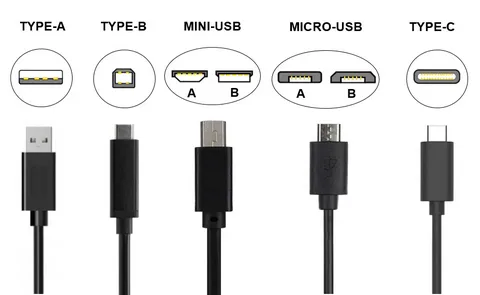
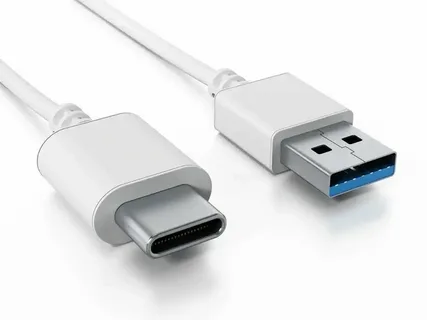
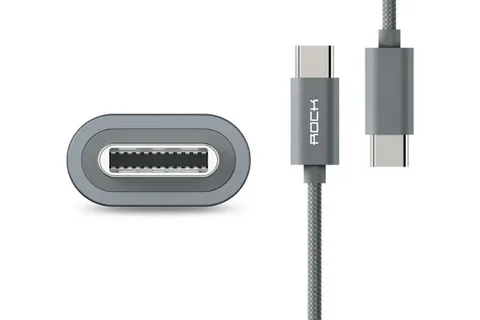
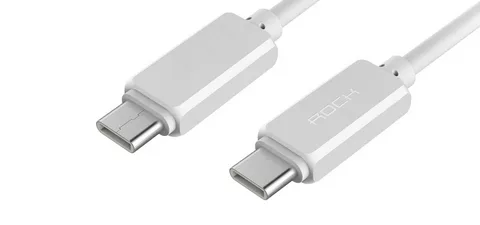
USB-C ports also have an identifiable shape, an oval shape unlike traditional USB chargers that have a rectangular shape, which facilitates faster data transfer speeds . Unlike the large rectangular USB-A connectors we have used over the decades, USB-C is slim, symmetrical and gracefully rounded off external storage devices.
The port opening is around 8.4mm wide and 2.6mm tall; this usb cable is a major shrinkage as compared to conventional USB-A ports, while also considering cable length. but yet still offers reasonable durability and functionality portable electronic devices.
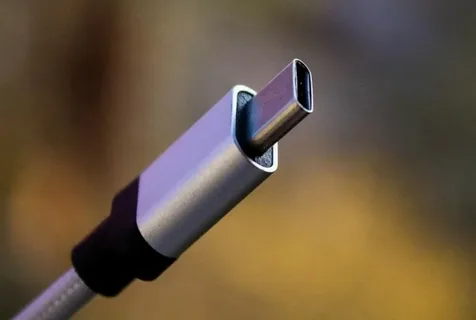
Key Visual Characteristics
- Oval profile: Smooth Sharp angles
- Compact size: One-third of USB-A
- Symmetrical design: No Orientation or Up/ Down distinction
- Smooth edges: Clean, modern lines
- Uniform color: Black, silver, or same color as the device epitaxialWOWIDABLOCHT
Visual Identification Guide: Spotting USB-C at a Glance
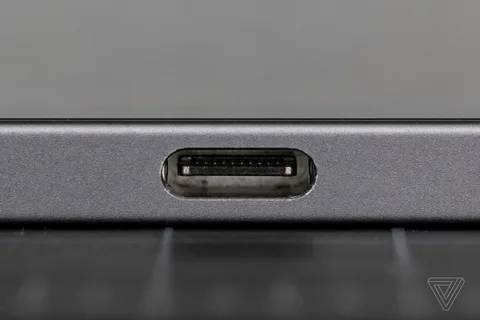
The Oval Advantage
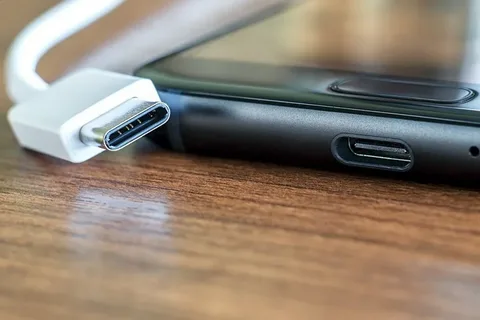
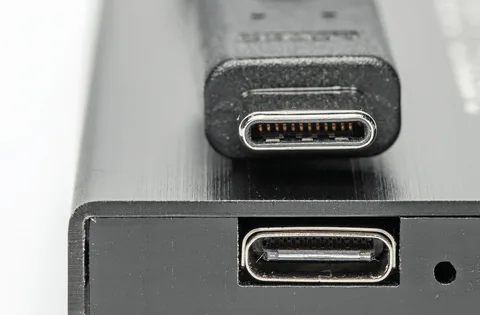
The defining attribute of a USB-C port is an oblong and rounded shaped port. Not only is this design aesthetic – it serves a purpose as well. The rounded edges place the connector in position without forcing and the symmetrical design removes the guess-work element digital cameras phone charger.
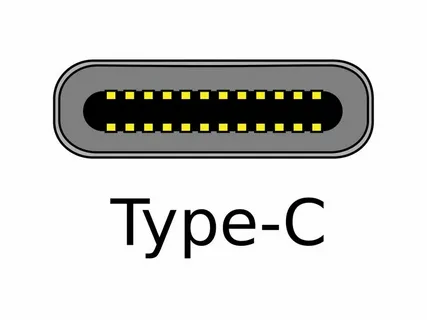
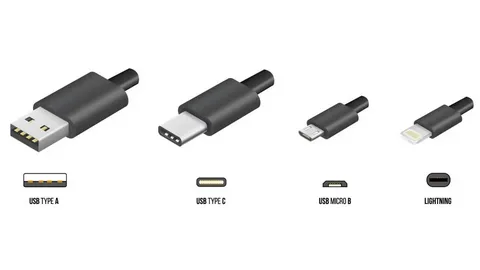
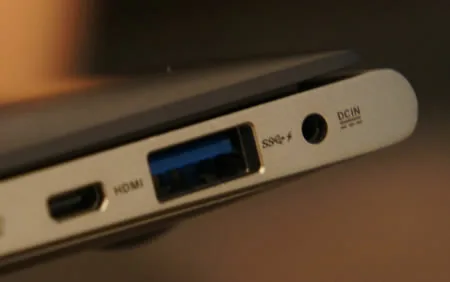
When checking a machine look for ports that are nearly pill-shaped or oval flattened. This makes USB-C unlike:
- Round USB-A ports
- Minscule Power jacks
- HDMIrectangle ports
- The thin horizontal opening of lightning
Size Comparison Reference

To put the size of USB-C into perspective compared to usb 2.0:
- Length: like a grain of Rice physical connector
- Width: The double width of a Lightning port
- Depth: More shallow in comparison to the USB-A deep rectangular socket
The Revolutionary Reversible Feature
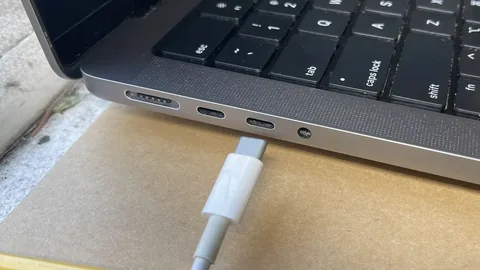
No More “Wrong Way Up” Moments
Here’s where USB-C truly shines: you can plug it in either way. The connector can be placed as you like, when it is put in with a vertical orientation, upside down, or any angle between these to perfectly fit.
Such a reversible form removes one of the greatest nuisances of technology, ensuring better charging speed . No more reverse and replug multiple times, no more broken ports when trying to cram in the connectors, and no more wasted time in poor light environments maximum data transfer rate.
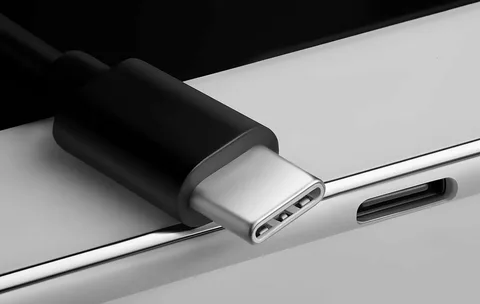
How Reversibility Works is crucial for understanding usb power delivery portable charger.
Its key is in the 24-pin configuration of USB-C. Unlike earlier USB standards where the pins are in use on just one side of the connector, USB-C connector has pins on both its top and bottom sides of the connector. It interprets the plugged-in-“upside-down” such that different pins complete, but the data and power still goes where it is supposed to usb type b.
User Experience Benefits
- Faster connections: Connect with confidence the first time you plug-in usb hub usb implementers forum
- Reduced wear: Ports should last longer without forcing it hard
- Universal convenience: Uniform experience across devices
- Accessibility: Improved accessibility by visually impaired users or consumers with motor disability premium usb
USB-C vs Other USB Types: Complete Comparison
USB-C vs USB-A: The Old Guard
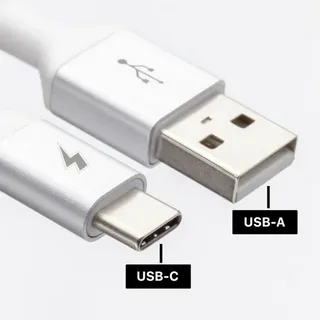
USB-A (Traditional USB):
- USB-A (Conventional USB):
- Four sided shape (Geometric)
- The one-way plugs Only form factor
- Slowness in lag times in transmission devices equipped
- Short power delivery usb if certified
USB-C:
- Oblong type c cable
- Reversible connection
- Fast communications transfer
- Intense charging
- Contemporary sleek clean, design type c connectors
USB-C vs Micro-USB: Mobile Evolution
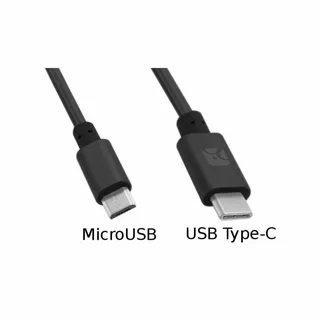
Micro-USB:
- Rectangular flat connector
- Broken and easily broken
- Less fast charging and data speed
- One-way insertion just
- Phase- nine being phased out
USB-C:
- Stronger wear and More durable
- Much improved speed
- Supports a lot higher power supply
- Future-proof technology
- Universal compatibility
USB-C vs Lightning: The Apple Factor
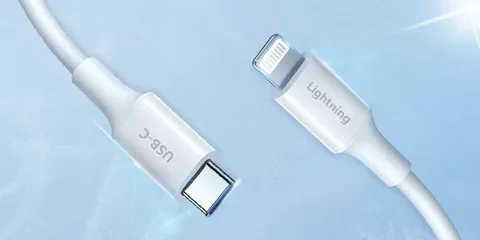
Lightning (Apple proprietary):
- Rectangular thin connector
- Acts only with Apple devices
- Restricted to the Apple system
- Average charge rates
- Reversible design
USB-C:
- Cross-brand/device works
- Not proprietary, Open standard
- Excellent power delivery features
- Increased data transfer rate
- Industry-wide adoption
The Story Behind USB-C’s Design
| Aspect | Details |
| Problem with Multiple Standards | – USB-A for computers – Micro-USB for phones – Mini-USB for cameras – Proprietary connectors for tablets – Separate cables for power, data, and video |
| Design Philosophy: One Port for Everything | USB-C was designed to: – Transfer data at high speeds – Deliver enough power to charge laptops – Carry video signals for external displays – Support audio output – Maintain backward compatibility – Work reliably for years |
| Form Follows Function: Physical Design | – Oval Shape: Provides structural strength while remaining compact – Rounded Edges: Reduce wear on port and connector – Symmetrical Design: Enables reversible insertion – Compact Profile: Supports thinner device designs – Durable Construction: Rated for 10,000+ insertion cycles |
Evolution of Universal Connectivity
USB-C did not develop in vacuum but evolved from previous usb types . It is the product of decades of connector development to address the inherent issues that befell previous standards:
The Problem with Multiple Standards:
- USB-A computer connectors
- Micro USB to phones
- Cameras have mini-USB
- Tablet table proprietary connectors
- Individual power, data and video cables
Design Philosophy: One Port for Everything
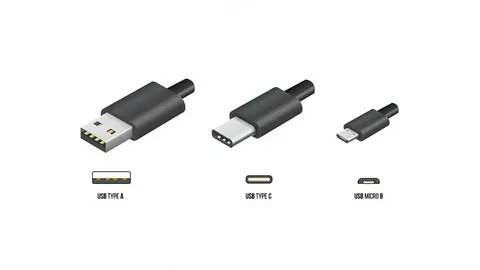
The USB-C was designed with a distinct vision in mind: to develop a single connector able to cope with all possible demands. This implied that it had to design a port that could:
- Transmit data at phenomenal speeds
- Be able to provide sufficient power to charge laptops
- Output video signals information to an outside screen
- Support audio output
- Be backward- and NASings TD compatible
- Function long-term reliably
Form Follows Function
Each thing about USB-C, its look, has a reason:
Oval Shape: Has a great strength and a small size Rounded Edges: Reduces wear to both the port and the connector Symmetrical Shape: Enables reversible insertion Compact Profile: This allows it to be thinner in design Durable Construction: The oval shape has a longer life of more than 10,000 insertions
Technical Specifications: The 24-Pin Powerhouse
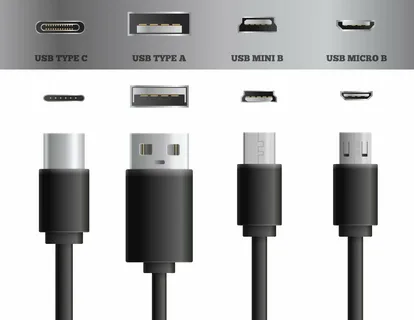
Understanding the Pin Configuration
It is the 24-pin arrangement of USB-C that enables it to be versatile, which is a significant improvement over older usb connectors . Such pins have the way they are organized, which has a variety of functions:
Power Pins: Provide the power of up to 100 watts and support impressive data transfer speeds. Data Pins: Support fast-speed data connection Configuration Pins: An exchange of information on the device capabilities Alternate Mode Pins: Supports video, audio, and other protocols
Speed Categories Explained
The USB 2.0 (480 Mbps): The basic data transfer that is prevalent in charging cables USB 3.2 Gen 1 (5 Gbps): The high-speed data transfer ones that are regularly used USB 3.2 Gen 2 (10 Gbps): The high-performance data transfer ones that are used in professional industries USB4 (40 Gbps): The lightning-fast speed that matches Thunderbolt 3
Power Delivery Capabilities
Standard smart phone charging:
- 5V/3A: Standard smartphone charging
- 9V/3A: Fast charging for phones and tablets
- 15V/3A: Charging for smaller laptops
- 20V/5A: Full-power laptop charging (100W)
USB-C’s Functional Advantages Beyond Appearance
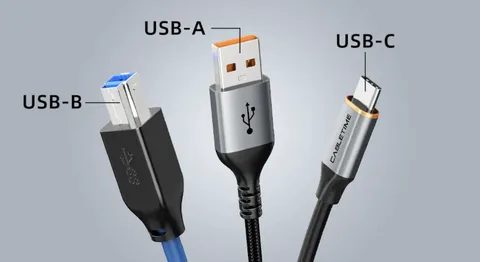
Data Transfer Revolution
USB-C does not only have a different appearance, it also has a different performance, enabling fast data transfer . The contemporary USB-c ports are even able to transmit data as fast as it was impossible to think of several years ago.
Real-World Speed Examples:
- 25GB 256Q 10 seconds USB 3.2 Gen 2 256Q 2K movie (25GB): 10 seconds with USB 3.2 Gen 2
- Photo library (100GB): Less than 2 minutes USB4
- 500GB backup: around 8 minutes using Thunderbolt through USB-C
Power Delivery Game-Changer
The capacity to provider up to 100 watts of power to a single USB-C enables the transformation of device design. This means:
- Charging laptop can charge through the same port as used on the data
- Full-sized monitors are provided to accommodate external monitors but have facilities to power and drive on a single connector
- Docking stations are compatible with a number of connected devices
- Fast charging becomes normalized in the case of all types of devices
Video Output Capabilities
Several USB-C ports implement some alternative modes arranged to support video output from other usb c devices :
DisplayPort Alt Mode: 4K up to 60 Hz or 8K up to 30 Hz HDMI Alt Mode: Native HDMI out USB4: USB-C displays at new levels including power delivery
Audio Integration
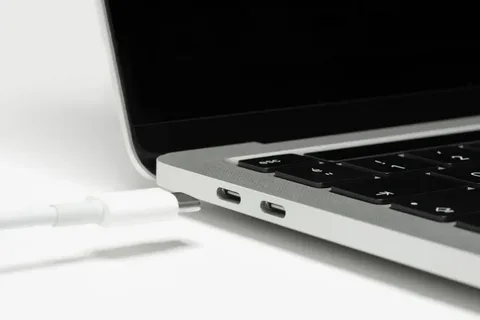
MacBook Pro/Air: 2-4 Thunderbolt/USB-C ports on sides Dell XPS: USB-C and traditional combination Lenovo ThinkPad: USB-C and USB-A combination HP Spectre: Majority USB-C with minimal legacy ports
- Seek the unusual shaped openings on the sides
- Labeled with the words or signs of capabilities and often by little symbols of capabilities
- There may be LED indicators to beimg up with charging status
- Located conveniently to make the cables available
Real-World USB-C Examples and Visual Cues
Laptop USB-C Ports

MacBook Pro/Air: USB-C is the standard port on most Android phones in use today iPhone 15 and Later: The iPhone models manufactured in 2023 and onwards will use USB-C Google Pixel: All recent models use USB-C Samsung Galaxy: USB-C including high speeds
Visual Identification on Laptops:
- Seek the unusual shaped openings on the sides
- Labeled with the words or signs of capabilities and often by little symbols of capabilities
- There may be LED indicators to beimg up with charging status
- Located conveniently to make the cables available
Smartphone USB-C Ports
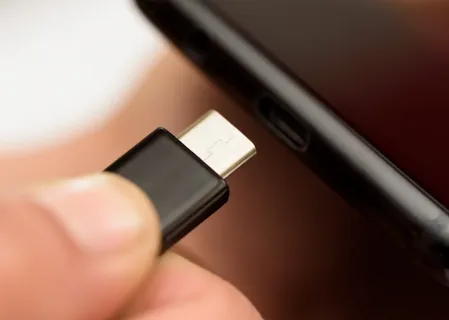
Android Phones: USB-C is the standard port on most Android phones in use today iPhone 15 and Later: The iPhone models manufactured in 2023 and onwards will use USB-C Google Pixel: All recent models use USB-C Samsung Galaxy: USB-C including high speeds
Mobile Device Characteristics:
- They are on the bottom line of most phones
- Frequently mounted in popular between speaker grilles
- Dust covers may be on rugged devices May
- Occasionally -Lit. matched to the colour of the device body
Tablet and iPad USB-C Features
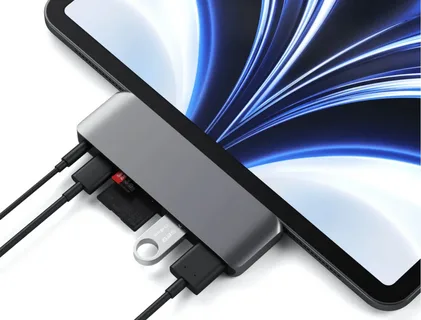
iPad Pro: Thunderbolt-enabled USB-C professional workflows iPad Air: assume standard USB-C used only electrically Android Tablet: varied USB-C implementations Surface Tablets: Variously proprietary connectors, sometimes in combination with USB-C
Accessory and Peripheral Recognition
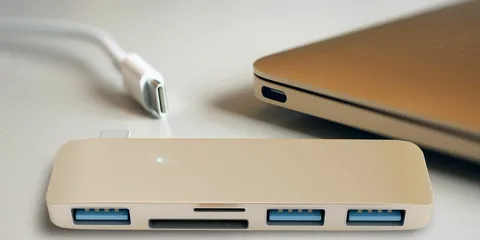
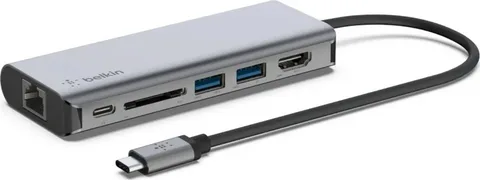
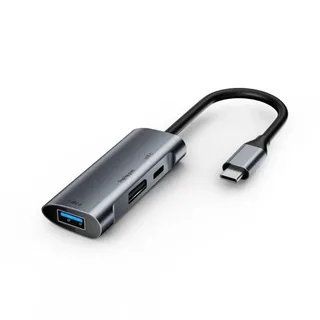
Chargers: With smaller oval plug ends Cables: Tend to be thicker than older USB cables due to greater power capability Hubs and Docks: Most include multiple USB-C ports in varying configurations External Storage: Greater speed drives with a USB-C connection
How to Identify USB-C Port Capabilities
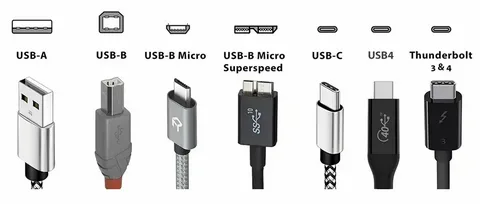
Reading Port Labels and Symbols
Not every USB-C port is made equal. Here is how you can read into their competencies:
Common Symbols and Their Meanings:
SS (SuperSpeed): USB 3.0 or greater data rates SS10: USB 3.2 Gen 2 (10 Gbps) compatibility PD: Power Delivery charging support ⚡ (Thunderbolt): Thunderbolt 3/4 compatibility DP: DisplayPort alternate mode Adapter
Color Coding Systems
Other manufacturers will employ color coding to represent the port capabilities:
Blue Inside: Perhaps USB 3.0 or faster speed Red Inside: Can be used as always powered or special functions Yellow/Orange: As fast charging port Standard Black: Basic connectivity, read device specs
Device Manual Specifications
Always refer to the specifications of your device in order to know what it is able to do precisely:
- USB2.0, 3.2, USB4, or Thunderbolt
- Power output Input/output wattage ratings
- Video features: Resolution, refresh rate
- Audio: Digital audio out specs
- Alternative operation: Alternative connectivity protocols
Checking Device Specifications for USB-C Features
Where to Find Reliable Specifications
Manufacturer Websites: These sites offer the most accurate current specifications Product Manuals: The specifications are more extensively covered in manuals Tech Review websites: These sites can offer tested specifications
Key Specifications to Look For
Data Transfer Rates: USB type a connector provides standard rates that might differ from newer connectors.
- USB 2.0: 480 Mbps (basic)
- USB 3.2 Gen 1: 5 Gbps (good)
- USB 3.2 Gen 2: 10 Gbps (high-er)
- US2-USB4: 20-40 Gbps (best)
- Thunderbolt (3/4): 40 Gbps (professional)
Power Specifications:
- Charging input power rating (to charge the device)
- The amount of power it can charge other devices with
- USB-PD version capability (2.0, 3.0 or 3.1)
- Fast charging standard compatibility
Video Capabilities:
- Highest resolution supported
- Refresh rates Rates Rates
- Several monitors
- HDR compatibility
Software Tools for Verification
Windows: USB controller details can be seen in the Device Manager Mac: a System Information can show detailed specifications of the ports Linux: lsusb command can show connected device capabilities Mobile Apps: lots of apps exist to test and display USB-C capabilities
Why USB-C Design Matters for Modern Users
Daily Convenience Benefits
The implications of the design of USB-C will go way beyond technical details:
Morning Routine: No more guesswork on cable compatibility or which works with larger devices. Travel Simplification: A single charger can be used with multiple devices that reduces weight and space inside and outside the luggage Desk Organization: Less cable types means a cleaner workspace Emergency Charging: USB-C chargers are universal, so you may borrow chargers in an emergency
Professional Workflow Advantages
Content Creators: One cable to support 4K video connection and to charge devices Business Professionals: Docking solutions which charge the laptops and accessories Developers: Fast data transfer of large files and backups Designers: Direct access to high-res electronic displays
Cost Savings Over Time
Reduced Cable Purchases: A single cable type supporting more than one device Decreased Device Lifespan: Chargers using durable connectors will require less replacement Expanded Accessory Usability: Accessories compatible with multiple devices across brands Lasting Investment: An investment in a USB-C accessory can be used long-term
Future-Proofing with USB-C Adoption
Industry-Wide Standardization Trends
The technological industry is fast turning to USSB-C as the common denominator:
Laptop Manufacturers: Apple has even adopted USB-C across its MacBooks Line Smartphone Industry: Android has mostly already made the switch Tablet Market: iPad Pro and android tablet devices Sport USB-C Change The Gaming Consoles: Nintendo Switch was one of the first to introduce USB-C into the gaming world Peripheral Makers: Mice, keyboards, and accessories are increasingly using USB-C
Regulatory Support for Universal Standards
European Union: The USB-C will be mandatory in mobile devices as of 2024 Worldwide Impacts: Other regions may use the same standard Worldwide Benefits: Lesser number of e-waste due to non-proprietary cables Worldwide Consumer protection: Prohibition of lock-in features through proprietary standards
Technology Roadmap
USB4 Evolution: Faster, More Power Up the Wireless: USB-C as a backup wireless charging mechanism IoT: USB-C devices in smart-home environments Automotive: Automakers are readying USB-C charging in vehicles
Environmental Impact of USB-C Standardization
Reducing Electronic Waste
The supported drive to USB-C standardization is considerable to the environment:
Less Cables in Landfills: Compatibility drives down the number of cables to dispose of Longer Device Life: Longer lasting connectors means longer lasting devices Less Packaging: Connectors no longer require redundant bundling Material Saving: Standardization helps to reduce wasteful practices in manufacturing
Sustainable Design Principles
USB-C reflects a number of important sustainability ideas:
More durable: Rated to 10,000+ connection cycles Reuseable: Cables can be used across multiple device generations More efficient: Source more power reduces energy wasted per charge More Universal: Device no longer requires a specific accessory
Common USB-C Misconceptions Clarified
“All USB-C Ports Are the Same”
Reality: USB-C is a connector shape, not functionality. The ports may differ considerably in:
- Transfer speeds
- Ratings on hybrid power delivery
- Video out support
- Protocol compatibility
What This Means: Don t just assume capabilities of devices, based on a USB-C connector alone.
“USB-C Is Just for New Devices”
Reality: Several of the older devices may be retrofitted to support USB-C by:
- USB-A to USB-C Adapter cables
- USB-C Output Docking Stations
- Replacement charging cables
- Port modification (installation professional)
“USB-C Cables Are All Compatible”
Reality: there is wide variation in the quality and specifications of cable:
- USB 2.0 performance, little power supply
- USB 3.2 / USB4 rated high-speed cables
- Power delivery cables: Have a given wattage rating
- Support of display alternate modes: Video cables
Recommendation: To perform your device at its best match cable specifications to device capabilities.
Shopping Guide: What to Look for in USB-C Devices
Essential Questions Before Purchase
For Laptops:
- What is the number of the USB-C ports?
- Are ports Thunderbolt or USB4?
- How much power do you want to Where is the highest rating of power delivery?
- Will you be able to charge with any USB-C port?
For Smartphones:
- What USB-C speed?
- Does it include USB-PD rapid charger?
- How many watts of charging?
- Can it do video output?
For Tablets:
- Are USB-C ports multiple?
- What accessories work with 1?
- Does it have support in statistics must be output?
- Does it have the capability to Intuitively charge other devices?
Cable and Accessory Compatibility
Power Delivery Ratings:
- Cable rating of devices to the needs of the device
- Higher ratings cables are backward supporting
- USB-IF certification marks
Data Speed Requirements:
- USB 2.0: General charging cables
- USB 3.2: High speed data transfer
- Applications Fast streams, heavy workloads B4/Thunderbolt: Professional applications
Video Output Needs:
- DisplayPort Alt Mode monitor
- TV compatibilities with HDM
- Resolution support refresh rate
Troubleshooting USB-C Connection Issues
Common Problems and Solutions
Device Not Charging:
- Cable power delivery rating
- Clear in port of debris
- Use other cable/charger combination
- Make certain that confirmation of providing proper wattage by power source
Slow Data Transfer:
- The data rate can be of a high speed under cable support provided by the cable.
- Both device USB-C specifications
- Use another USB-C port (provided that it is available)
- Update drivers in reality, when needed
Video Output Not Working:
- Video alternate mode is supported ond device
- Video signals are supported with the check cable
- Use other display or adapter
- Update graphic cards drivers
Intermittent Connections:
- Check connector to see whether there has been damage on it
- Compression air port
- Several cables to eliminate problem
- Try tightening port mounting chafer
Maintenance Best Practices
Port Care:
- Clean and clear of debris keep ports
- Do not cram terminators
- Insertion should be done with QS
- Treatment of Store devices in clean areas
Cable Management:
- Do not bend or kink to #2016波 Abnormally
- Cables should be coiled loosely in place in the Store
- To secure the connectors with equalizers during transport
- Replace broken cables as quickly as possible
The USB-C Ecosystem: Compatible Accessories
Essential USB-C Accessories
Chargers and Power Adapters:
- Multi-port charging terminals
- USB-C car chargers
- Power banks
- Laptop power adapters
Hubs and Docking Stations:
- The connectivity is expanded using multi port hubs
- Docking facilities to settle the desk workstations
- Power converters to give presentations
- Thunderbolt docks are professional devices
Cables and Adapters:
- USB-C to USB-A brags
- USB-C to HDMI cables
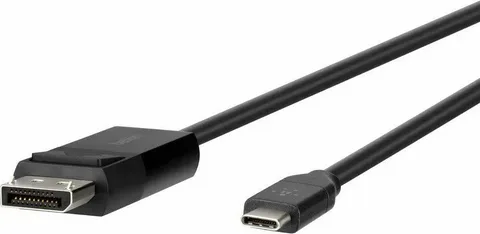
- USB-C_ DisplayPort connection
- USB-C adapters to 3.5mm audio
Professional and Creative Accessories
Storage Solutions:
- USB-C External SSDs
- Fast speed flash drives
- USB-C equipped NAS systems
- Memory card readers
Audio/Video Equipment:
- Bluetooth, USB-C headphones and earbuds
- Audio connectors to record
- Video capture units
- Professional monitors USB-C
Input Devices:
- USB-C keyboards
- USB-C Gaming mice
- Tableting tablets in styluses
- Presentation remotes
Industry Adoption Rates and Trends
Current Market Penetration
Smartphone Market:
- Android: about 85 percent of the new models should be using USB-C
- The iPhone: Made a move to USB-C in iPhone 15
- Budget devices: Rapidness of USB-C
- High-end devices: USB-C Ubiquitous support
Laptop Industry:
- Premium laptops: close to 100 percent USB-C support
- Low-end laptop: Both USB-C and older ports
- USB-C and legacy connectivity in Gaming laptops
- Business laptops: USB-C standard docking
Tablet Segment:
- iPad Pro: USB-C to Thunderbolt adapted
- Android tablets: Normal USB-C application
- USB-C with different capabilities Windows tablets
- Basic USB-C charging: E-readers
Projected Growth Patterns
Next 2-3 Years:
- Full smartphone migrating USB-C
- New laptops will not be supplied with legacy ports.
- USB-C addition in the automotive race
- Home device adoption
5-10 Year Outlook:
- USB-C is brought to a universal standard
- Wireless technologies are not alternatives to USB-C
- Superior power and speed performance
- Integration with the new technologies
Security Considerations with USB-C
Potential Security Risks
USB-C Vulnerabilities:
- Harmful charging cables (“O.MG cables”)
- Cables are also used to #x72 (in/ipped trs
- Power delivery attacks on device battery
- Fake charging point in publicity
Best Practices for Security:
- Apply well established cable makers
- Do not charge at unfamiliar stations in the street
- Look at USB data blockers when reaching a public charger
- Ensure that your gadgets are patched up
Safe Usage Guidelines
Cable Source Verification:
- Buy it at trustworthy manufactures
- USB-IF certification Look USB-IF certification
- Stay away with very cheap cables without names
- Before buying, ratings and reviews should be checked
Public Charging Safety:
- Whenever you can, use personal power banks
- Bring your personal reliable cords
- Take recourse to USB-C data blockers
- Track the activities of devices when the phone has been publicly charged
Measuring USB-C Performance
Benchmarking Tools and Methods
Data Transfer Testing:
- CrystalDiskMark-storage speed evaluation
- USB Device Tree Viewer to find out port type
- TOP Disk Speed: Sustained speed Braunschweiger, N. (Producer), Gould, S. ( Producer ) (PR
- Experimenal timing results in the real world
Power Delivery Testing:
- USB-C power meters to do relationships correctly
- Voltage and current measuring meters
- Temperature- Questionnaire in charging
- Comparison of battery charging time
Video Output Testing:
- Display res and refresh rate check-up
- The Color accuracy and HDR capability testing
- Multiple- Each station has no display validation Currently (11/12) nothing is validated.
- Audio-over-USB-C testing Audio-over-USB-C selection
Performance Optimization Tips
Maximizing Speed:
- Install cables that are suited to the top speed of your gadget
- When possible connect directly to the ports of a device
- Keep any unnecessary applications off during a transfer of large quantities
- Cool down of devices when doing intensive work
Power Efficiency:
- Charger wattage – device requirements
- Use only the good quality cables with suitable power delivery ratings
- Charging temperatures:Monitor
- See power settings
USB-C in Different Device Categories
Gaming Devices and Consoles
Nintendo Switch:
- Introduced USB-C in a handheld device
- Will charge when docked
- USB 2.0 speeds only
- Individualised charging demands
Gaming Laptops:
- Often there are several USB-C ports
- Thunderbolt via an external GPU
- High-power supply of charging
- Extended video output
Gaming Accessories:
- Controllers with USB-C charging
- USB-C USB-C
- USB-C mechanical keyboards
- USB-C-charging Gaming mice
Medical and Industrial Applications
Medical Devices:
- Monitoring equipment of patients
- Hand- jure diagnostic devices
- Medical image equipment
- Interfaces inductees for surgery equipment
Industrial Equipment:
- Automation controllers
- Data gathering systems
- Industrial computers
- Rugged tablets and displays
Benefits in Professional Settings:
- A consistent connectivity minimizes training demands
- Simplification of inventory is done through fewer cable types
- Better dependability in safety-critical devices
- Invest in in precisely perfected technology
Regional Differences in USB-C Adoption
Geographic Adoption Patterns
North America:
- Extended use in high-value devices
- Longevity of ports in the budget segments
- Strength of enterprise implementation
- Regulatory push in part according to the EU standards
Europe:
- The regulatory mandate Influencing adoption
- The trend toward environment is forcing the transition to Addison and Wales
- Well-informed consumers of standardization advantages
- Innovating with regard to sustainable technology practices
Asia-Pacific:
- USB-C devices hub of manufacturing
- Early uptake in smart phone market
- Good infrastructure of fast charging
- Innovation hub of USB-C accessories
Cultural and Market Factors
Consumer Preferences:
- Its value of standardization differs by regions
- Environmental awareness translates to <? immediateitle서 One thing that influences adoption
- Issues of price sensitivity affect premium feature adoption
- Exposure to nitrate Technology comfort levels determine the acceptance rates
Business Adoption:
- Professional features are necessitated by the needs of enterprises
- Implementations are industry specific
- Timelines to Question Infrastructure investment
- Support considerations and training
The Science Behind USB-C Durability
Engineering for Longevity
Material Science:
- Properties of the housing materials and materials
- Contact plating in resistance to corrosion
- Engineering strain relief
- Tolerance limits of temperature
Mechanical Design:
- In/out force optimization
- Distribuzione di pressione di contatto
- Coupon testing, fatigue strength
- Impact and vibration toleration
Testing Standards:
- Indicator electrical connector (IEC) standards on the durability of electrical connectors
- Temperature cycling needs
- Humidity and corrosive testing
- Mechanical stress- trends
Real-World Longevity
Typical Lifespan Expectations:
- 30,000+ cycles normal use insertion
- Their shelf-life is 10 years or less when used daily
- environmental factors which influence longevity
- Use patterns and the influence
Failure Mode Analysis:
- Wear patterns
- Factors that ADJ impacting on the environment
- Mechanical/ electrical breakdowns
- Preventive maintenance plans
Conclusion: Embracing the USB-C Future
The Visual Recognition Recap
With the help of the information that we provided, you should be able to now recognize an USB-C port by its oval and symmetrical shape. These are the most important visual clues to remember:
- Compact and pill shaped aperture
- Bidirectional orientation No orientation up right
- Soft rounded edges
- Much smaller than USB-A
- Frequently,IDEGruppe the combination of capability signs
Beyond Appearance: The Functional Revolution
USB-C is more than just a new shape of connector – it is a paradigm shift towards:
Universal Compatibility: Single cable to fit all your devices Enhanced Performance: Faster data, more power and better video Simplified life: Less cable crunch with less compatibility problems Future Readiness: Investment in the future consistancy today
The Bigger Picture
The universal language of connectivity is shifting to USB-C and just like the fight between 11 and 17 year olds, it is slowly expanding. This connector is standardizing our digital life on everything in the ecosystem, including smartphones, laptops, tablets and gaming consoles.
Standardization, reserve connectivity, and the ability to provide such capabilities along with the benefits to the environment make USB-C more than a connector, but a better philosophy of designing technology.
Your Next Steps
Knowing how to identify and know what USB-C ports are, you might want to consider:
- Audit your devices: Any USB-C-compatible devices you already have will work with your new USB-C accessory with no adapter needed
- Plan your upgrades: USB-C as a primary when upgrading related technology
- Invest in quality accessories: Investing in certified cables and adapters
- Stay informed: Be up to date with the changing USB-C capabilities
Join the Conversation
The switch to USB-C is already underway and your experience counts. So whether you have already been using USB-C a long time or are a first-time user, your opinion is what helps to define the future of this technology.
What’s your USB-C story? Have you switched out of Lightning or keep using earlier forms of USB? Do you want the convenience of USB-C or do you like older connectors?
Share your experience in the comments below – your knowledge can be useful to other readers either in terms of buying their next device or perhaps even in having problems in using the USB-C interface.
The future of connectivity is with us and it is gloriously simple, one port, limitless possibilities.